
Jewish communities have been integral to building strong communities across Canada for over 250 years, contributing essential frameworks for social equity, grassroots organizing, and interfaith collaboration that continue to shape inclusive community development today. From establishing some of the country’s first mutual aid societies to pioneering models of neighborhood revitalization and environmental stewardship, Jewish Canadians have consistently demonstrated how cultural values of tikkun olam (repairing the world) translate into practical, measurable community impact.
If you’re a community organizer, social change advocate, or someone interested in effective partnership models, understanding how Jewish communities engage in local development offers valuable insights. These communities have created replicable approaches to affordable housing, food security initiatives, and cross-cultural dialogue that work precisely because they’re built on relationship-first organizing rather than top-down programming.
What makes this particularly relevant now is the growing recognition that sustainable community change requires partnerships that bridge different traditions and perspectives. Jewish community organizations across Canada have spent decades perfecting collaborative frameworks that honor distinct identities while working toward shared goals. Whether you’re in Toronto’s diverse neighborhoods, Montreal’s multilingual landscape, or smaller cities building interfaith networks, these tested approaches can accelerate your own community development work.
This isn’t about one community’s achievements in isolation. It’s about recognizing patterns of success that emerge when any group commits to both preserving its cultural heritage and actively contributing to the broader social fabric. The strategies, challenges, and partnership models explored here offer practical pathways for anyone working to build more equitable, connected, and resilient Canadian communities.
Understanding Jewish Communities in Canada Today
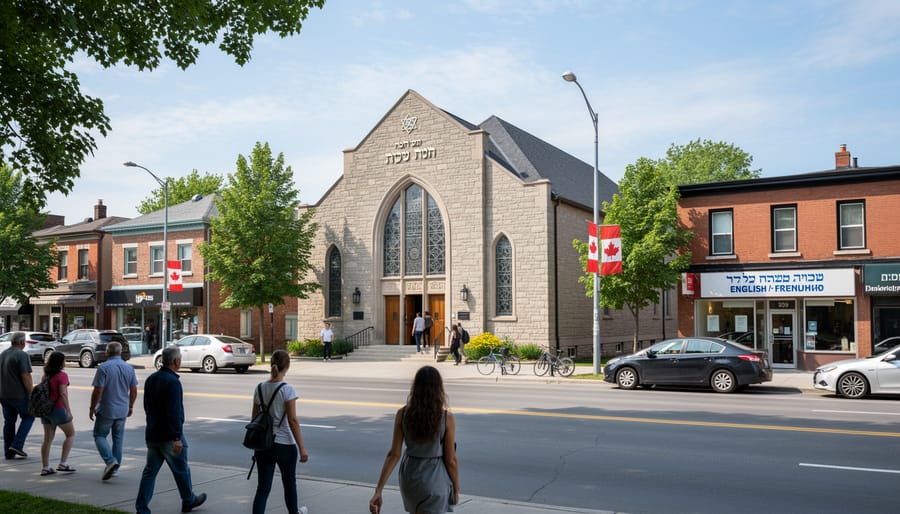
A Mosaic of Traditions and Perspectives
Jewish communities across Canada reflect a remarkable spectrum of practice, belief, and cultural expression. Some families observe Shabbat with traditional rituals, attend synagogue regularly, and maintain kosher homes. Others celebrate Jewish culture through literature, music, and history without religious observance. Many fall somewhere in between, creating personal interpretations that blend tradition with contemporary life.
This range spans Orthodox, Conservative, Reform, and Reconstructionist movements, alongside secular and cultural expressions of Jewish identity. Younger generations often forge hybrid approaches, attending High Holiday services while embracing progressive values, or connecting through social justice work rooted in Jewish ethics rather than religious practice.
Such diversity isn’t a weakness, it’s a source of strength. When communities face challenges, whether advocating for inclusive policies or responding to social tensions, different perspectives bring varied skills and networks. A secular Jewish professional might connect community development projects to municipal sustainability initiatives. A rabbi could facilitate interfaith dialogue drawing on centuries of interpretive tradition. Cultural organizations preserve Yiddish heritage while creating spaces where newcomers and established families find common ground.
This adaptability has allowed Jewish communities to remain vibrant across generations and changing social contexts. Instead of demanding uniformity, Canadian Jewish life makes room for questioning, evolution, and multiple pathways to belonging. That flexibility proves essential when building partnerships across diverse communities and contributing to broader equity work.
Historical Roots and Community Evolution
Jewish presence in Canada stretches back over 250 years, beginning with small groups of Sephardic merchants who arrived in the 1760s following British conquest. These early settlers established trading networks and laid groundwork for community institutions, though their numbers remained modest through the early 19th century.
The landscape shifted dramatically between the 1880s and 1920s, when large-scale immigration brought Eastern European Jews fleeing persecution and economic hardship. Over 125,000 Jewish immigrants arrived during this period, settling primarily in Montreal, Toronto, and Winnipeg. They built synagogues, schools, mutual aid societies, and social service organizations that would become pillars of community life. These institutions weren’t just religious spaces, they functioned as employment networks, cultural centres, and bridges to broader Canadian society.
Each wave of immigration brought distinct needs and contributions. Holocaust survivors arriving in the 1940s and 1950s rebuilt their lives while creating new support systems for trauma and integration. Soviet Jewish refugees in the 1970s through 1990s added linguistic diversity and professional skills. More recently, French-speaking Jews from North Africa enriched Montreal’s cultural landscape, while Israeli immigrants brought entrepreneurial energy to technology sectors across major cities.
What emerges from this history is a pattern of adaptive community-building. Jewish Canadians consistently created institutions that served immediate needs while contributing to broader civic infrastructure. The Jewish Immigrant Aid Services, founded in 1919, evolved to support all refugees regardless of background. Community centres opened their doors to neighbourhood programs. This outward orientation, rooted partly in Jewish values of social responsibility and partly in practical necessity, shaped how these communities integrated without assimilating entirely.
Today’s Jewish community institutions reflect this layered history. Federations coordinate social services, cultural organizations preserve heritage, and advocacy groups address contemporary challenges. The evolution continues, with younger generations redefining engagement through environmental activism, social justice work, and interfaith collaboration while maintaining connection to historical roots.
Contributions to Social Equity and Community Development
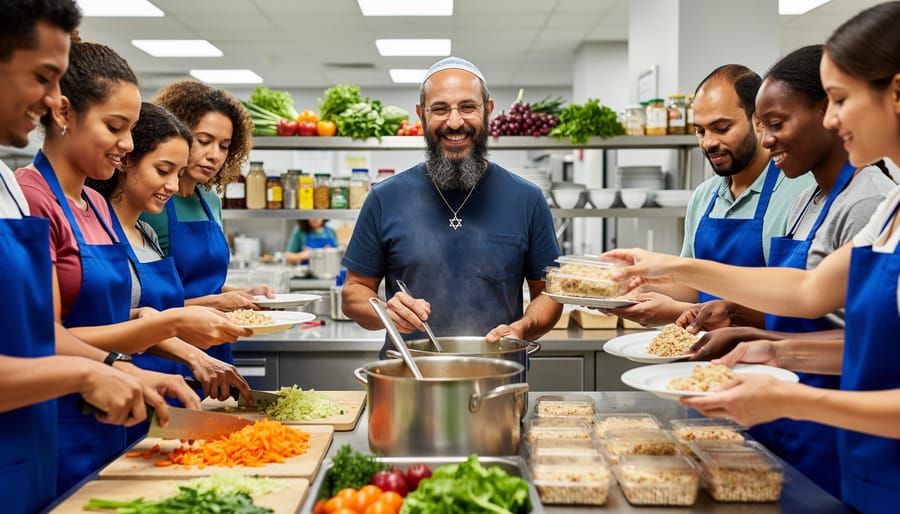
Partnerships and Collaborative Initiatives
In cities from Vancouver to Toronto and Montreal, Jewish organizations have discovered that shared purpose transcends community boundaries. The UJA Federation of Greater Toronto’s work with Indigenous land stewardship groups exemplifies this approach, co-developing urban green spaces that honour both ecological wisdom and sacred responsibility for the earth. These partnerships transform neighbourhoods, creating gathering places where different traditions meet on common ground.
The Centre for Israel and Jewish Affairs has built coalitions with immigrant settlement agencies across Canada, pooling resources to address housing affordability and language barriers. In Winnipeg, the Jewish Foundation partnered with local environmental nonprofits to retrofit older buildings with energy-efficient systems, cutting carbon emissions while preserving heritage architecture. This model now guides similar projects in Regina and Halifax.
Montreal’s Federation CJA collaborates with social change advocates on literacy programs that serve newcomers from diverse backgrounds, demonstrating how community-specific expertise scales into broader benefit. In British Columbia, Jewish community centres open their doors to interfaith dialogue circles and climate action workshops, recognizing that reshaping equity requires sustained relationship-building across lines of difference.
What makes these initiatives work? Each starts with listening rather than leading, identifies overlapping values instead of competing interests, and commits resources, time, expertise, funding, without expectation of singular recognition. The Edmonton Jewish community’s partnership with Sikh and Muslim organizations on food security programs shows how cooperation multiplies impact: three separate food banks became a coordinated network serving 2,000 more families monthly. These aren’t publicity ventures. They’re long-term investments in the kind of Canada where every community thrives because communities choose to work together.
Jewish Values and Environmental Sustainability
Jewish ethical traditions offer powerful frameworks for environmental action that resonate far beyond any single community. Tikkun olam, the concept of repairing the world, positions environmental stewardship not as an optional add-on but as a moral imperative. When Jewish communities in Canada apply this principle, they’re engaging in work that benefits everyone, regardless of background.
Bal tashchit, the prohibition against needless waste, translates into practical sustainability measures. This ancient teaching finds modern expression in community composting programs, zero-waste Shabbat initiatives, and repair cafés where residents learn to fix broken items rather than discard them. Several synagogues in Toronto and Montreal have achieved certification as green buildings, installing solar panels, rainwater collection systems, and energy-efficient HVAC upgrades that reduce their carbon footprint significantly.
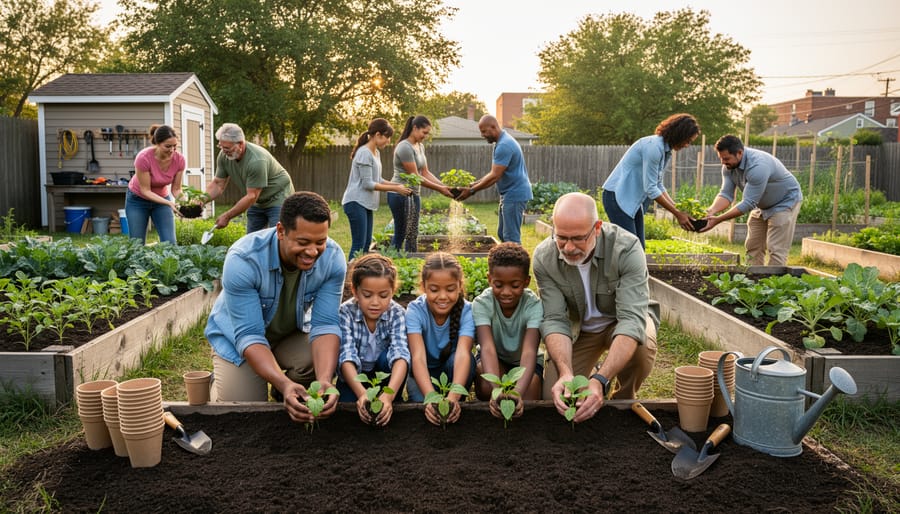
Community gardens rooted in Jewish values serve dual purposes. They provide fresh produce while creating gathering spaces that bring together people from different backgrounds. In Vancouver, one such garden allocates a portion of its harvest to local food banks, embodying both environmental responsibility and social equity. Edmonton’s Jewish community has partnered with Indigenous groups to restore native plant species in urban green spaces, merging ecological restoration with intercultural learning.
Youth engagement proves particularly vibrant in this space. Environmental justice programs connect teenagers with hands-on conservation work, stream cleanups, tree planting, habitat restoration, while exploring the ethical dimensions of climate action. These initiatives don’t preach; they invite participation.
The intersection of faith-based environmental ethics and practical sustainability work demonstrates how cultural traditions can inform contemporary challenges. When communities ground their green initiatives in deeply held values, they create lasting commitment. The question shifts from “should we act?” to “how can we act together?” That reframing opens doors for collaboration across all sectors of Canadian society working toward a more sustainable, equitable future.
Building Bridges: Interfaith and Intercultural Engagement
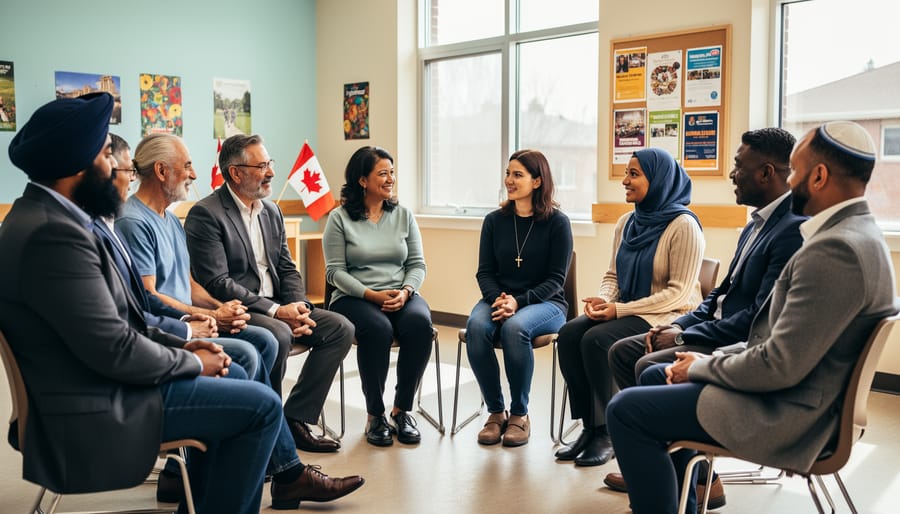
Jewish communities across Canada have long recognized that meaningful dialogue and partnership with diverse faith and cultural groups are essential to building a cohesive, resilient society. This commitment to bridge-building extends far beyond symbolic gestures, it involves sustained, practical collaboration that addresses shared challenges and celebrates common values.
Interfaith councils in cities like Toronto, Montreal, and Vancouver regularly bring together Jewish, Muslim, Christian, Sikh, Hindu, and Indigenous leaders to tackle issues ranging from affordable housing to food security. These gatherings create space for honest conversation about difficult topics, including discrimination and stereotyping, while also identifying opportunities for joint action. When a Jewish community centre partners with a local mosque to run a shared food bank or co-sponsor a newcomer support program, it demonstrates solidarity in action and breaks down barriers rooted in unfamiliarity.
Cultural exchange initiatives play a crucial role as well. Community centres host interfaith Seders, open Shabbat dinners, and educational sessions that invite neighbours to learn about Jewish traditions, history, and contemporary life. Reciprocally, Jewish community members participate in Ramadan iftars, Diwali celebrations, and Indigenous cultural events, fostering mutual respect and curiosity rather than assumptions.
These efforts also serve as powerful antidotes to prejudice. By creating relationships grounded in shared humanity and common goals, interfaith work counters the isolation that allows stereotypes to flourish. Youth programs that bring together teens from different backgrounds to work on environmental projects or social justice campaigns plant seeds for lifelong understanding.
The impact extends to policy and advocacy. Coalitions of faith communities carry more weight when lobbying for inclusive policies, accessible services, or protections against hate crimes. This collective voice strengthens democracy and ensures that diverse perspectives shape the decisions affecting all Canadians. Bridge-building isn’t just about coexistence, it’s about co-creating a more equitable, compassionate future.
Addressing Challenges and Promoting Equity
Despite their deep roots and contributions, Jewish communities across Canada continue to face real and evolving challenges that demand attention and collective action. Antisemitism remains a persistent concern, manifesting in vandalism, online hate, harassment, and security threats that affect synagogues, community centres, and schools. These incidents not only endanger physical safety but also create anxiety that can limit full participation in public life.
In response, Jewish communities have developed multi-layered strategies combining security measures, advocacy, and education. Community organizations invest in professional security infrastructure while working closely with law enforcement and city officials to ensure rapid response and prevention. Beyond physical safety, many communities actively engage in public education campaigns that counter stereotypes, share Jewish history and culture, and build understanding across diverse populations.
Promoting equity within and beyond Jewish communities involves addressing barriers to inclusive governance and ensuring access to essential services. Some Jewish Canadians face economic challenges, language barriers, or difficulties navigating systems like housing assistance and social supports. Community organizations respond by offering settlement services, advocacy support, and programs that connect vulnerable members with resources.
Belonging also means fostering inclusion within Jewish spaces themselves. Communities work to welcome interfaith families, LGBTQ+ members, people with disabilities, and those from diverse cultural backgrounds, recognizing that strength comes from embracing the full spectrum of Jewish identity. This internal work mirrors the broader commitment to equity, building spaces where everyone feels seen, valued, and empowered to contribute.
Opportunities for Collaboration and Growth
The partnership potential between Jewish communities and broader civic networks in Canada is both substantial and largely untapped. Right now, community organizations and local governments across the country are seeking innovative models for community development and Jewish institutions bring decades of experience in volunteer mobilization, intergenerational programming, and adaptive governance that can inform these efforts.
Concrete collaboration opportunities exist in several areas. Environmental initiatives offer immediate common ground, synagogues transitioning to solar power can share implementation lessons with community centres facing similar decisions. Jewish community centres with established food recovery programs can partner with municipal food security networks to scale impact. Social service agencies within Jewish communities often run innovative models for newcomer support and elder care that could be adapted across different cultural contexts.
My Town’s network provides a natural platform for these partnerships. Jewish organizations can contribute their expertise in building resilient community infrastructure while learning from Indigenous approaches to land stewardship and other cultural communities’ strategies for maintaining identity while fostering inclusion. The key is creating structured opportunities for knowledge exchange, not one-off events but sustained working groups tackling specific challenges like affordable housing, youth mental health supports, or climate adaptation planning.
Local governments can facilitate these connections by including Jewish community representatives in equity advisory committees, inviting participation in sustainability planning processes, and recognizing the community’s capacity as both a resource and a partner rather than simply a stakeholder to consult. Growth happens when collaboration is intentional, reciprocal, and grounded in shared goals rather than abstract goodwill.
Common Questions About Jewish Communities and Community Development
What are the main contributions Jewish communities make to social equity in Canada?
Jewish communities contribute through direct service organizations addressing poverty and housing, advocacy for human rights and anti-discrimination policies, and educational programs that build understanding across cultural lines. Many Jewish organizations also pioneer models for refugee resettlement and integration that benefit newcomers from all backgrounds.
How can non-Jewish organizations partner effectively with Jewish communities?
Start by reaching out to established Jewish community centres, federations, or social service agencies in your region with a clear partnership proposal around shared goals. Approach collaboration with genuine curiosity, respect for distinct cultural practices and calendars, and a commitment to mutual learning rather than tokenism.
What Jewish values guide environmental and sustainability initiatives?
Two core principles shape Jewish environmental action: tikkun olam (repairing the world) and bal tashchit (the prohibition against needless destruction). These teachings frame environmental stewardship as both a spiritual obligation and a practical responsibility to future generations.
Where can I learn more about Jewish community development work in my area?
Contact your local Jewish federation or community centre, which typically coordinates social services, cultural programs, and partnerships. Many cities also have Jewish environmental groups, social justice coalitions, and interfaith councils that welcome participation and collaboration from allies across communities.
These questions reflect common starting points for anyone looking to understand or engage with Jewish communities around shared equity and development goals. The answers aim to be practical rather than exhaustive, recognizing that real partnership begins with conversation, not just information.
One pattern worth noting: successful collaboration happens when organizations move beyond one-off events toward sustained relationships built on trust and reciprocity. Jewish communities, like all communities, appreciate partners who show up consistently, honour commitments, and recognize the distinct knowledge and assets each group brings to the table.
For those new to interfaith or intercultural work, remember that asking thoughtful questions and acknowledging what you don’t know builds stronger foundations than assuming similarity or overlooking difference. The goal isn’t to erase what makes each community unique, but to find the common ground where those differences become complementary strengths in pursuit of justice, sustainability, and belonging for everyone.
Jewish communities have long been woven into the fabric of Canadian society, contributing energy, innovation, and ethical frameworks that strengthen our collective pursuit of equity and sustainability. From grassroots environmental projects to interfaith coalitions addressing systemic inequities, these communities demonstrate what becomes possible when diverse perspectives collaborate toward shared goals.
Their commitment to social justice, rooted in enduring values and lived experience, offers practical models for inclusive governance and community resilience. Whether through partnerships that bridge cultural divides or sustainability initiatives grounded in ancient wisdom, Jewish Canadians continue shaping solutions that benefit everyone.
Yet this work cannot exist in isolation. True community development thrives on reciprocity, curiosity, and the willingness to learn across difference. Every organization, neighbourhood group, and local leader has opportunities to deepen connections with Jewish communities and the broader networks they inhabit.
Start where you are. Reach out to local Jewish organizations not as outsiders seeking to extract knowledge, but as partners ready to co-create. Attend community events, join collaborative projects, and listen to voices that may challenge your assumptions. Ask how your work can support existing initiatives rather than duplicating efforts.
The path forward demands more than goodwill. It requires sustained engagement, accountability, and a genuine commitment to dismantling barriers that limit participation and belonging. When communities invest in one another with this depth of intention, equity stops being an aspiration and becomes the lived reality of Canadian society.