
Canadian cities are transforming how they tackle climate change, economic revitalization, and community needs through targeted innovation funding and collaborative projects. Right now, federal support totaling hundreds of millions of dollars is flowing into smart city infrastructure, main street renewal, and climate-resilient planning, creating tangible opportunities for communities to reimagine public spaces and services.
The momentum reflects a shift in how governments and local organizations build strong communities. Rather than top-down directives, these initiatives emphasize partnerships between municipalities, climate experts, and residents to design solutions that actually fit local needs. Infrastructure Canada’s $300 million Smart Cities Challenge and the new Climate Ready Infrastructure Service are connecting smaller towns with the same caliber of expertise that major metros access, leveling the playing field for innovation.
What makes this wave of urban renewal different is the focus on underutilized assets and existing infrastructure. From transforming vacant Calgary office towers into community hubs to breathing new life into southern Ontario main streets through $15 million in targeted investment, the approach prioritizes practical adaptation over expensive new builds. These aren’t abstract blueprints. They’re live projects reshaping how Canadians experience their downtowns, access services, and participate in local economic recovery.
What Changed: Major Urban Innovation Announcements
Recent years have marked a turning point in how Canadian cities tackle urban challenges. A wave of federal investments and new collaborative frameworks has redefined what’s possible when communities, governments, and experts join forces around shared priorities.
The most visible shift came through Infrastructure Canada’s $300-million Smart Cities Challenge, a government of Canada initiative designed to help municipalities develop data-driven solutions tailored to local needs. Rather than imposing one-size-fits-all answers, this funding model encourages cities to identify their unique challenges and build innovative responses from the ground up.
At the same time, the newly established Climate Ready Infrastructure Service represents a fundamental change in how local governments prepare for environmental pressures. This capacity-building project connects municipalities and communities with top climate experts, ensuring that infrastructure decisions today account for the realities of tomorrow. It’s a recognition that isolated planning can’t match the complexity of climate adaptation.
Region-specific initiatives have amplified this momentum. The Government of Canada’s $15-million My Main Street investment targets southern Ontario, focusing on stabilization and revitalization of commercial corridors that anchor neighbourhoods. These main streets aren’t just economic engines; they’re gathering places where social fabric strengthens.
Downtown cores are also getting fresh attention. Calgary’s 2022 pilot project set out to transform unused downtown assets into community hubs, jobs, and services, a model that other cities facing vacancies and changing work patterns are watching closely. Together, these announcements signal a move away from siloed infrastructure spending toward integrated strategies that weave together economic vitality, environmental resilience, and social equity.
Key Developments Reshaping Canadian Cities
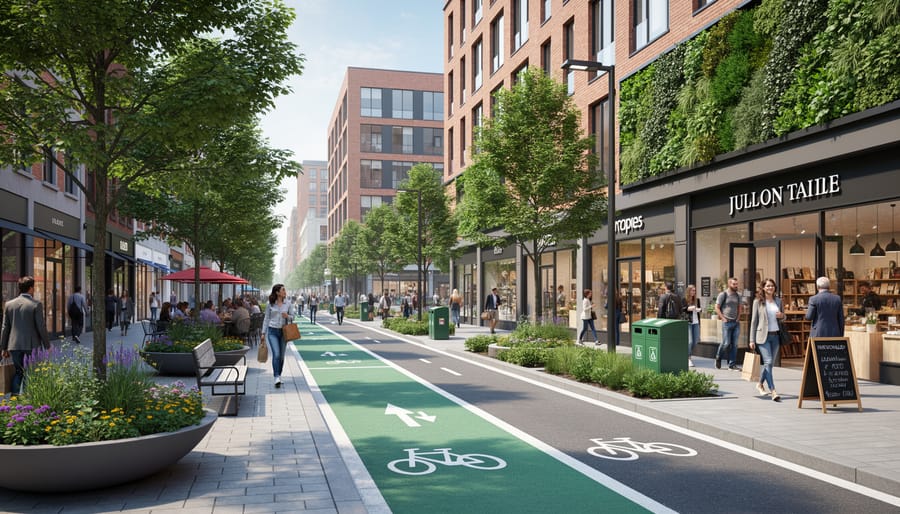
1. Smart Cities Challenge: Empowering Communities with $300 Million
The Smart Cities Challenge represents one of the most ambitious community-focused infrastructure programs in Canada’s history. Through this initiative, Infrastructure Canada committed $300 million to help communities across the country develop innovative solutions that tackle their most pressing local challenges using data, connected technology, and meaningful community engagement.
What makes this program different from traditional infrastructure funding is its emphasis on resident-driven priorities. Rather than imposing top-down solutions, the Smart Cities Challenge asks communities to identify what matters most to them, whether that’s improving mobility for aging populations, creating economic opportunities in Indigenous communities, or making services more accessible to newcomers. Cities, towns, and Indigenous communities of all sizes compete for funding by demonstrating how technology and data can serve their unique needs.
The funding supports the entire innovation journey. Communities receive resources to test ideas through pilot projects, build partnerships across sectors, and scale proven solutions. A small town might use sensors and community input to optimize snow removal routes, saving money while keeping streets safer. An urban neighbourhood could deploy digital tools to connect isolated seniors with local services and volunteers.
This approach recognizes that smart cities aren’t just about technology, they’re about empowerment. The Challenge requires communities to demonstrate how they’ll include residents in decision-making, particularly those whose voices are often marginalized. Projects must show measurable outcomes and share learnings with other municipalities, creating a ripple effect of innovation across Canada.
For communities ready to reimagine how they serve residents, the Smart Cities Challenge offers both funding and a framework for lasting change.
2. Climate Ready Infrastructure Service: Building Resilient Communities
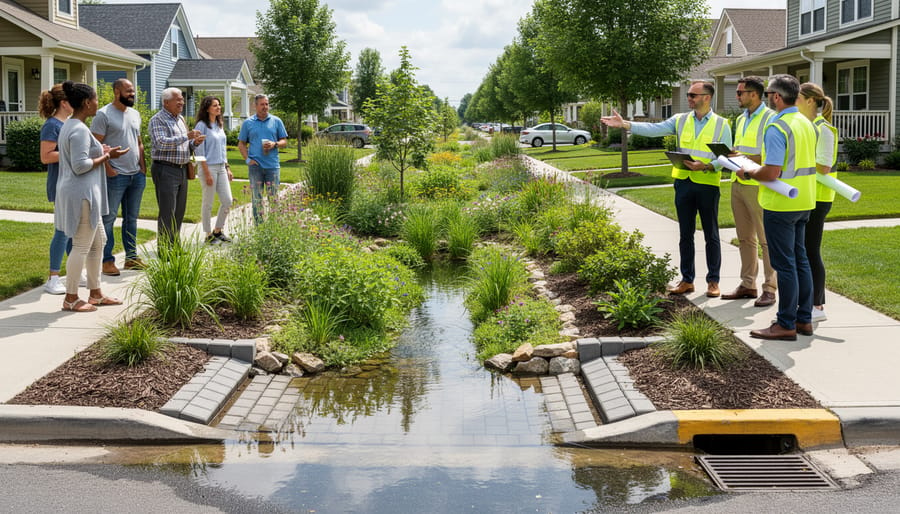
Canadian communities face mounting climate challenges, flooding, extreme heat, and infrastructure strain, yet many municipalities lack the expertise and resources to prepare effectively. That’s where the Climate Ready Infrastructure Service steps in, bridging the gap between local need and specialized knowledge.
This newly established capacity-building project connects local governments and communities across Canada with top climate experts who can help them anticipate, plan for, and adapt to climate impacts. Instead of leaving municipalities to navigate complex climate science and engineering challenges alone, the service provides direct access to professionals who understand both the technical requirements and the community realities of building resilient infrastructure.
The approach is practical rather than theoretical. Local governments work with climate specialists to assess vulnerabilities in their existing infrastructure, think water systems, transit networks, and public buildings, and develop strategies that account for future climate conditions, not just historical patterns. A small town preparing to replace aging stormwater systems, for example, can consult experts who factor in projected precipitation changes rather than simply rebuilding to past standards.
What makes this service particularly valuable is its focus on capacity building. Rather than creating dependency on external consultants, the program helps municipal staff and community partners develop in-house understanding of climate-ready planning. They learn to integrate climate considerations into routine decision-making, from budget cycles to zoning updates.
For communities already stretched thin managing current infrastructure needs, this expert support represents a crucial resource. It ensures that every dollar spent on infrastructure today contributes to long-term sustainability and community safety, rather than locking in systems that may fail as climate conditions shift.
3. My Main Street: $15 Million for Southern Ontario Revitalization
The Government of Canada’s My Main Street $15 million investment represents a focused effort to breathe new life into the heart of communities across southern Ontario. This initiative recognizes that main streets are more than commercial corridors, they’re gathering places where neighbors connect, local businesses thrive, and community identity takes shape.
Unlike broader infrastructure programs, My Main Street zeroes in on the specific challenges facing small-town and urban main streets: vacant storefronts, aging buildings, declining foot traffic, and the need for spaces that draw people together. The program aims to foster both stabilization and revitalization, meaning it helps struggling areas maintain their foothold while creating conditions for growth.
For local businesses, this translates into tangible support for facade improvements, accessibility upgrades, and public space enhancements that make main streets more welcoming. Community hubs, libraries, cultural centers, markets, also benefit from funding that helps them serve as anchors attracting residents and visitors alike.
The southern Ontario focus addresses a region where many communities have watched their traditional commercial districts struggle against suburban sprawl and changing retail patterns. By investing in physical improvements and programming that activates these spaces, the initiative helps ensure that main streets remain viable centers of economic and social life rather than fading into disuse.
4. Downtown Calgary Transformation: Turning Unused Assets into Community Hubs
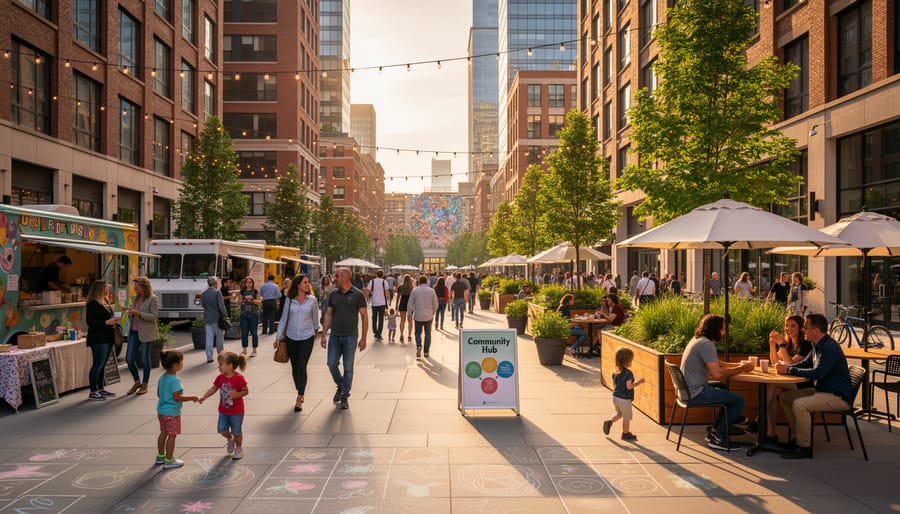
Downtown Calgary faced a challenge familiar to many Canadian cities: vacant office towers and underused spaces left behind by economic shifts and changing work patterns. Rather than letting these assets deteriorate, a joint pilot project announced in September 2022 chose a different path, transforming these unused downtown assets into vibrant community hubs that deliver real services and opportunities to residents.
The initiative represents a collaborative approach between multiple levels of government and community stakeholders, all focused on downtown revitalization that serves people first. Instead of viewing empty buildings as problems to warehouse or demolish, the project asks a more productive question: how can these spaces strengthen community connections, create local employment, and fill service gaps that residents actually need?
This matters because downtown cores aren’t just business districts, they’re potential anchors for community life. When a former office building becomes a healthcare clinic, skills training centre, or affordable housing complex, it addresses multiple challenges simultaneously. The space gains purpose, neighbours gain access to services they might have traveled across the city to find, and local jobs emerge to staff these new hubs.
The Calgary model offers a blueprint other Canadian cities can adapt. It shows that innovation doesn’t always mean building something new from scratch. Sometimes the most effective solutions come from reimagining what already exists, connecting available resources with unmet community needs, and bringing together partners willing to think beyond traditional uses for urban real estate.
Why It Matters: The Community Impact of Urban Innovation
These urban innovation initiatives represent more than infrastructure upgrades, they’re reshaping how Canadian communities build resilience, opportunity, and belonging. When done right, projects like the Smart Cities Challenge and My Main Street demonstrate that reshaping equity starts with investments that reach beyond downtowns into neighbourhoods where people actually live and work.
The $300 million in smart city funding enables communities to tackle challenges they’ve identified themselves, not solutions imposed from above. This approach to inclusive development ensures that technology serves local needs rather than creating new barriers. Meanwhile, the Climate Ready Infrastructure Service connects municipalities with climate expertise they couldn’t afford individually, making resilience planning accessible to small cities and rural communities, not just major metros.
The ripple effects touch multiple aspects of community life:
- Inclusive governance through data-driven decision-making that reflects diverse community voices
- Climate resilience that protects vulnerable residents from extreme weather and infrastructure failure
- Job creation in both construction and long-term community services
- Preservation of local character through main street revitalization that honours heritage while embracing innovation
- Social cohesion built around shared spaces like Calgary’s reimagined downtown hubs
What makes these developments particularly significant is the partnership model driving them. Federal funding unlocks local action, but success depends on collaboration among government agencies, community organizations, business improvement areas, and residents themselves. When a main street gets revitalized or a climate-ready park opens, it’s the product of neighbours, small business owners, and municipal staff working together, not consultants parachuting in with cookie-cutter plans. That collaborative foundation builds capacity that lasts long after the initial funding cycle ends.
What to Watch: The Future of Urban Innovation in Canada
Looking ahead, communities that want to harness urban innovation should keep three key channels on their radar.
First, watch Infrastructure Canada’s website for upcoming rounds of smart city funding. These grants typically open with clear timelines and eligibility criteria, giving local organizations several months to prepare community-centered proposals. Sign up for email alerts from Infrastructure Canada to catch announcements early and mobilize your network before deadlines hit.
Second, engage proactively with climate infrastructure planning at the municipal level. The Climate Ready Infrastructure Service offers local governments direct access to climate experts, which means community groups have a prime opportunity to shape how cities build resilience. Attend public consultations, join planning committees, and advocate for solutions that address both environmental sustainability and social equity, like green infrastructure that creates jobs while protecting vulnerable neighborhoods. This work often intersects with broader community needs, including housing assistance and affordable living initiatives.
Third, monitor whether the My Main Street model expands beyond southern Ontario. Similar revitalization programs could launch in other provinces, especially as communities see the economic and social benefits of reinvesting in local business districts.
Most importantly, connect with My Town’s Fellowship Network. These partnerships keep you informed about funding opportunities, connect you with other changemakers, and provide the collaborative infrastructure needed to turn innovative ideas into real community impact.
Common Questions About Urban Innovation Projects
Communities across Canada are eager to tap into urban innovation opportunities, but many wonder where to start. Here’s what you need to know about getting involved in these transformative initiatives.
How can my community apply for smart city funding?
Infrastructure Canada’s Smart Cities Challenge provides $300 million in funding for communities ready to develop innovative solutions to local challenges using data, technology, and community engagement. Local governments typically lead applications, though partnerships with community organizations strengthen proposals.
What makes infrastructure climate-ready?
Climate-ready infrastructure is designed to withstand future climate impacts like flooding, extreme heat, and severe storms. The Climate Ready Infrastructure Service connects local governments with top climate experts to ensure projects account for these long-term risks.
Can main street programs work outside southern Ontario?
Absolutely. While the current $15-million My Main Street investment focuses on southern Ontario, the core principles, supporting local businesses, revitalizing community hubs, and strengthening economic resilience, can be adapted to any Canadian community with the right partnerships and funding.
How can residents advocate for innovation in their own cities?
Start by attending municipal council meetings, connecting with local organizations working on community development, and building relationships with city planners. Highlight successful examples from other Canadian cities and emphasize how innovation addresses specific local needs.
What truly makes a project innovative isn’t just new technology or ambitious scale. It’s community-centered design that brings diverse voices to the table, tackles real challenges people face daily, and creates lasting benefits that strengthen social equity and environmental sustainability. The downtown Calgary pilot, for instance, reimagines unused assets not just as physical spaces but as opportunities for connection, employment, and services that communities actually need.
Funding allocation varies by program, but most initiatives prioritize projects demonstrating strong community support, clear measurable outcomes, and potential for replication in other cities. Partnerships matter enormously, projects combining government resources, local expertise, and community input consistently stand out.
The developments covered here represent more than government announcements or infrastructure investments. They show what becomes possible when communities, governments, and organizations collaborate around a shared vision: cities where innovation strengthens belonging, supports sustainability, and creates equity for all residents. The $300 million Smart Cities Challenge, Climate Ready Infrastructure Service, My Main Street revitalization, and downtown Calgary transformation each demonstrate this potential in action.
These initiatives succeed because they’re built on partnership. Local knowledge meets technical expertise. Community priorities guide investment decisions. Residents, organizers, and municipal leaders work alongside one another to solve real challenges facing their neighborhoods. That collaborative model is what turns smart city funding into meaningful change on the ground.
Your community’s next innovation project might address climate resilience, revitalize a struggling main street, or reimagine an underutilized public space. Whatever the specific challenge, the principles remain the same: start with what matters to residents, build diverse partnerships, and design solutions that serve the whole community. The funding and expertise are increasingly available. What’s needed now is the commitment to engage, advocate, and build together.